Diabetes Complications Classification
Class diabetes complications classification d diabetes occurs if you develop diabetes before age 10, have had diabetes for more than 20 years, and you have vascular complications. class f diabetes occurs with nephropathy a kidney. The chronic hyperglycemia of diabetes is associated with significant long-term microvascular and cardiovascular complications. a fasting plasma glucose of ≥7. 0 mmol/l, a 2-hour plasma glucose value in a 75 g oral glucose tolerance test of ≥11. 1 mmol/l or a glycated hemoglobin (a1c) of ≥6. 5% can predict the development of retinopathy.
The most common type of neuropathy is peripheral neuropathy. it affects the nerves in the hands, feet, legs, and arms. it generally starts in the feet, and it tends to start in both feet at once. i have burning, stabbing or shooting pains in my feet. my feet are very sensitive to touch. for. Type 1 diabetes (due to β-cell destruction, usually leading to absolute insulin deficiency) 2. type 2 diabetes (due to a progressive insulin secretory defect on the background of insulin resistance) 3. gestational diabetes mellitus (gdm) (diabetes diagnosed in the second or third trimester of pregnancy that is not clearly overt diabetes complications classification diabetes) 4. Targets vary with the type of diabetes, age, and presence of complications. if you have gestational diabetes, your blood sugar targets will be lower than people with other types of diabetes. Diabetes is the most common cause of blindness, kidney failure, and non-traumatic amputation of the toes, feet, or legs. mismanaged diabetes can also lead to heart disease, stroke, and the nerve damage and decreased blood flow that can lead to amputation.
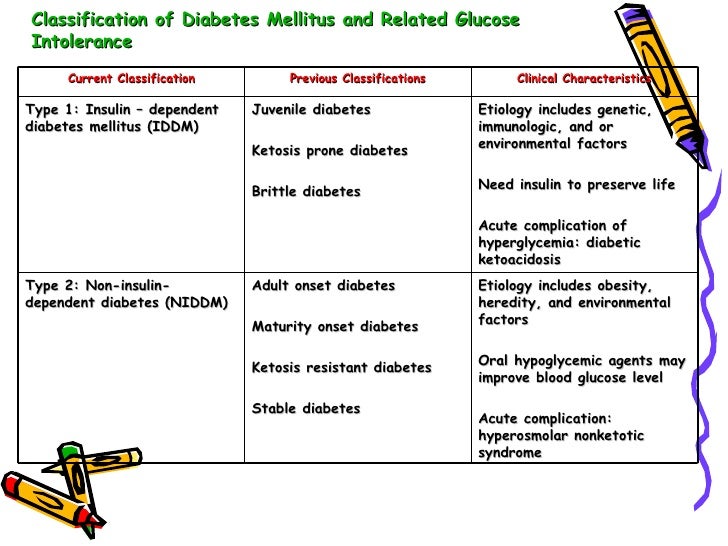
2 Classification And Diagnosis Of Diabetes Diabetes Care
Heart disease stroke kidney disease nerve damage eye damage digestion problems erectile dysfunction skin problems infection dental problems. Key messages. the chronic hyperglycemia of diabetes is associated with significant long-term microvascular and cardiovascular complications. a fasting plasma glucose of ≥7. 0 mmol/l, a 2-hour plasma glucose value in a 75 g oral glucose tolerance test of ≥11. 1 mmol/l or a glycated hemoglobin (a1c) of ≥6. 5% can predict the development of retinopathy. The classification defines both process and stage of the disease. the processes include type 1, autoimmune and non-autoimmune, with beta-cell destruction; type 2 with varying degrees of insulin resistance and insulin hyposecretion; gestational diabetes mellitus; and other types where the cause is known (e. g. mody, endocrinopathies). Diabetes can be classified into the following general categories: 1. type 1 diabetes (due to β-cell destruction, usually leading to absolute insulin deficiency) 2. type 2 diabetes (due to a progressive insulin secretory defect on the background of insulin resistance) 3. gestational diabetes mellitus (gdm) (diabetes diagnosed in the second or third trimester of pregnancy that is not clearly.
steps of management diabetes and infections diabetes cardiovascular complications diabetes mellitus complications complications of insulin therapy diabetic nephropathy Aims: the diabetes complications severity index (dcsi) converts diagnostic codes and laboratory results into a 14-level metric quantifying the long-term effects of diabetes on seven body systems. adoption of the international classification of diseases, tenth revision, clinical modification (icd-10-cm) necessitates translation from icd-9-cm and. Diabetes mellitus is a group of metabolic diseases characterized by hyperglycemia resulting from defects in insulin secretion, insulin action, or both. the chronic hyperglycemia of diabetes is associated with long-term damage, dysfunction, and failure of various organs, especially the eyes, kidneys, nerves, heart, and blood vessels. Diabetes is the cause of 2. 6% of global blindness(2). diabetes is among the leading causes of kidney failure(3). prevention. simple lifestyle measures have been shown to be effective in preventing or delaying the onset of type 2 diabetes. to help prevent type 2 diabetes and its complications, people should: achieve and maintain a healthy body.
Complications of diabetes mellitus include problems that develop rapidly (acute) or over time (chronic) and may affect many organ systems. the complications of diabetes can diabetes complications classification dramatically impair quality of life and cause long-lasting disability. overall, complications are far less common and less severe in people with well-controlled blood sugar levels. Depression can affect diabetes management. complications of gestational diabetes. most women who have gestational diabetes deliver healthy babies. however, untreated or uncontrolled blood sugar levels can cause problems for you and your baby. complications in your baby can occur as a result of gestational diabetes, including: excess growth. Classification of diabetes mellitus and other categories of glucose regulation. a major requirement for epidemiological and clinical research and for the clinical management of diabetes is an. Definition, diagnosis and classification of diabetes mellitus and its complications. part 1: diagnosis and classification of diabetes mellitus provisional report of a who consultation. alberti kg(1), zimmet pz. author information: (1)department of medicine, university of newcastle upon tyne, uk. comment in diabet med. 1998 jul;15(7):535-6.
Peripheral Neuropathy Ada American Diabetes Association
Skin complications. stay alert for symptoms of skin infections and other skin disorders common in people with diabetes. read more. eye complications. keep your risk of glaucoma, cataracts and other eye problems low with regular checkups. read more. neuropathy. nerve damage from diabetes is called diabetic neuropathy (new-rop-uh-thee). Created date: thu mar 30 15:39:55 2000. Classification, it is the intention to consolidate etiological views concerning dm. the old and confusing terms of insulin-dependent (iddm) or non-insulin-dependent (niddm) which were proposed by who in1980 and 1985 have disappeared and the terms of new classification system identifies four types of diabetes mellitus: type 1,.
Some of the signs and symptoms of type 1 and type 2 diabetes are: increased thirst. frequent urination. extreme hunger. unexplained weight loss. presence of ketones in the urine (ketones are a byproduct of the breakdown of muscle and fat that happens when there's not enough available insulin). Diabetes mellitus (dm), commonly known as diabetes, is a group of metabolic disorders characterized by a high blood sugar level over a prolonged period of time. symptoms often include frequent urination, increased thirst, and increased appetite. if left untreated, diabetes can cause many complications. acute complications can include diabetic ketoacidosis, hyperosmolar hyperglycemic state, or. Publications on diabetes guidelines on second-and third-line medicines and type of insulin for the control of blood glucose levels in non-pregnant adults with diabetes mellitus april 2018.
Aims: the diabetes complications severity index (dcsi) converts diagnostic codes and laboratory results into a 14-level metric quantifying the long-term effects of diabetes on seven body systems. adoption of the international classification of diseases, tenth revision, clinical modification (icd-10-cm) necessitates translation from icd-9-cm and creates refinement opportunities. Diabetes mellitus has become an epidemic worldwide. in the united states, the incidence of diabetes is increasing 1% per year. (1) in the u. s, diabetes is the seventh leading cause of death, mainly secondary to cardiovascular complications. it was estimated in 2000 that there were 32million people with diabetes in india, a number that is predicted to increase to nearly 80 million by 2030.
1104 8 world health organization definition, diagnosis and classifications of diabetes mellitus and its complications report of a who consultation, part 1: diagnosis and classification of diabetes mellitus geneva: who, 1999 9 international expert committee foundation practice guidelines for chronic kidney disease: evaluation, classification, and stratification ann intern med 2003;139(2):137-47 128lu b, population-based patients diagnosed with type 2 diabetes in downtown shanghai j diabetes complications 2008;22(2):96-103 129kdoqi clinical Complications of diabetes mellitus include problems that develop rapidly or over time and may affect many organ systems. the complications of diabetes can dramatically impair quality of life and cause long-lasting disability. overall, complications are far less common and less severe in people with well-controlled blood sugar levels. some non-modifiable risk factors such as age at diabetes onset, type of diabetes, gender and genetics may influence risk. other health problems compound the chronic.


Comments
Post a Comment